





-
Recent Posts
Archives
- September 2026
- July 2026
- April 2026
- January 2026
- December 2025
- November 2025
- October 2025
- September 2025
- August 2025
- July 2025
- June 2025
- May 2025
- April 2025
- March 2025
- February 2025
- January 2025
- December 2024
- October 2024
- September 2024
- August 2024
- July 2024
- June 2024
- April 2024
- March 2024
- February 2024
- January 2024
- December 2023
- September 2023
- August 2023
- July 2023
- June 2023
- May 2023
- February 2023
- January 2023
- December 2022
- November 2022
- September 2022
- August 2022
- July 2022
- April 2022
- October 2020
- August 2020
- June 2020
- March 2020
- February 2020
- January 2020
- November 2019
- October 2019
- June 2019
- May 2019
- April 2019
- October 2018
- September 2018
- August 2018
- May 2018
- April 2018
- March 2018
- February 2018
- January 2018
- October 2017
- September 2017
- August 2017
- July 2017
- June 2017
- May 2017
- April 2017
- November 2016
- October 2016
- August 2016
- July 2016
- June 2016
- May 2016
- April 2016
- March 2016
- February 2016
- December 2015
- November 2015
- October 2015
- August 2015
- July 2015
- June 2015
- May 2015
- April 2015
- February 2015
- January 2015
- December 2014
- October 2014
- September 2014
- June 2014
- May 2014
- March 2014
- February 2014
- January 2014
- December 2013
- November 2013
- October 2013
- September 2013
- August 2013
- June 2013
- May 2013
- April 2013
- March 2013
- January 2013
- December 2012
- November 2012
- October 2012
- September 2012
- August 2012
- July 2012
- June 2012
- May 2012
- April 2012
- March 2012
- February 2012
- January 2012
- December 2011
- November 2011
- October 2011
- September 2011
- August 2011
- July 2011
- June 2011
- May 2011
- April 2011
- March 2011
- February 2011
- January 2011
- December 2010
- November 2010
- October 2010
- September 2010
- August 2010
- July 2010
- June 2010
- May 2010
- April 2010
- March 2010
- February 2010
- January 2010
- December 2009
- November 2009
- October 2009
- September 2009
- August 2009
- July 2009
- June 2009
- May 2009
- April 2009
- March 2009
- February 2009
- January 2009
- December 2008
- November 2008
- October 2008
- September 2008
- August 2008
- July 2008
- June 2008
- May 2008
- April 2008
- March 2008
- February 2008
- January 2008
- December 2007
- November 2007
- October 2007
- September 2007
- August 2007
- July 2007
- June 2007
- May 2007
- April 2007
- March 2007
- February 2007
- January 2007
- December 2006
- November 2006
- October 2006
- September 2006
- August 2006
- July 2006
- June 2006
- May 2006
- April 2006
- March 2006
- February 2006
- January 2006
- December 2005
- November 2005
- October 2005
- September 2005
- August 2005
- July 2005
- June 2005
- May 2005
- April 2005
- March 2005
- February 2005
- January 2005
- December 2004
- November 2004
- October 2004
- September 2004
- August 2004
Categories
- AIG
- Al Qaeda
- Alasdair MacIntyre
- Albert Borgmann
- Apologetics
- Architecture
- Aristotle
- Artificial Intelligence
- Assurance
- Atonement
- Barack Obama
- Bible
- Blog post
- Books
- Charles Taylor
- Charles Wesley
- Christianity
- Christmas
- Chuck Colson
- Church & State
- church growth
- Church History
- Clash of Civilizations
- Confirmation
- Consumerism
- Culture
- Current events
- Dallas Willard
- Dark Knight
- Dave Schmelzer
- Death
- Discipleship
- Discipline
- Diversity
- Doctrine
- Ecclesiology
- Economics
- Ecumenism
- Education
- Edwin Friedman
- Elections
- Emergent
- Emerging Church
- Epistemology
- Ethics
- Evangelicalism
- Evangelism
- Evolution
- Five Practices
- Forgiveness
- Friedrich Nietzsche
- Friendship
- Generosity
- Global Methodist Church
- Globalization
- God
- Golden Compass
- Gospel
- Granger Community Church
- Greg Boyd
- Happiness
- Health Care
- Hermeneutics
- Higher Education
- Hirschman
- Holiness
- Humor
- Hymns
- Immanuel Kant
- Immigration
- Inerrancy
- Islam
- Jeremiah Wright
- Jesus
- John Maxwell
- John Ortberg
- John Piper
- John Wesley
- Justification
- Karl Barth
- Kingdom
- Language
- Leadership
- Liberalism
- Local church
- Love
- Mark Batterson
- Market
- Marriage
- Max Weber
- Metanarratives
- Methodism
- Ministry
- Missions
- Modernity
- Movies
- N.T. Wright
- Nature
- Nihilism
- North Point Church
- Old Testament
- Parenting
- Paul
- Peace
- Perception
- Perfectionism
- Perry Noble
- Peter Drucker
- Phenomenology
- Philosophy
- photography
- Podcast
- Politics
- Prayer
- Preaching
- Public Schools
- Pursuing Jesus
- Relationships
- religion
- Renovare
- Resurrection
- Robert Putnam
- Rowan Williams
- Salvation
- Samuel Huntington
- Science
- Secularization
- Seth Godin
- Sexuality
- Sharia
- Simple Church
- Sin
- Social Capital
- Spengler
- Spirituality
- Stanley Hauerwas
- Stewardship
- Stoicism
- Teaching
- Texas Annual Conference
- The Chosen
- Theology
- Thomas Long
- Tony Morgan
- Tradition
- Travel
- Uncategorized
- United Methodism
- Violence
- War
- Will Willimon
- Wisdom
- Worry
- Worship
- Youth Ministry
Meta
The Chosen, Season 4 Episode 7
We watched this episode last week. Here are my thoughts and questions.

The news of Lazarus’s death comes immediately on the heels of Jesus and his disciples being stoned and run out of Jerusalem. They’re still operating on adrenaline. The disciples are confused, not sure what is happening. Whatever is happening, they’re sure that going back across the Jordan into Judea right now is a bad idea. And yet, that’s what Jesus says they’re doing, so along they go.
Hearing the summons to go to dead Lazarus, Thomas says (accurately reflecting what we see in John 11), “Come, let us die with him.” Thomas, like other disciples, is feeling like death awaits them. Unlike the other disciples, he’s wanting to embrace death, still ruled by his broken heart.
Judas Iscariot, perhaps the single disciple at this stage who expresses utter certainty that Jesus is the Messiah, sounds confused too. He says, “Shouldn’t we be winning, and not constantly losing?” This idea is rarely absent from Christians. Paul said in 2 Timothy 3:12, “All who desire to live godly in Christ Jesus will suffer persecution.” This Pauline teaching is in line with what Jesus had taught when he first sent the disciples out (Matthew 10) and in what we call his “Upper Room Discourse” (John 15-16). If Jesus is who we believe he is, we ought to be winning – we ought to be in charge. This line of thought leads naturally to the idea of a Christian Emperor (like Constantine and Theodosius) or some of the Christian Nationalisms of the past couple centuries.
Little James imagines that Jesus might raise Lazarus, but he’s not sure what to make of the possibility.
In the midst of the disciples’ talk of their confusion and the contrast between light and dark, Mary Magdalene talks about her experience of both in her time with Jesus.
Matthew, often one who is willing to say what is on his mind, says to Jesus, “Are we supposed to be understanding what you are saying?” I’ve felt that way sometimes.
Confronted by Lazarus’s sisters Mary and Martha, Jesus weeps. Having more insight into Jesus’s thoughts (and having read John 11), we know Jesus plans to raise Lazarus. We know he wants to and will succeed in doing so. Why does Jesus weep if he knows Lazarus is, reducing the metaphorical force of what he told the disciples, in a sense, really sleeping, not truly and finally dead?
When Jesus does raise Lazarus, Judas is over the moon with excitement. “This miracle will bring everyone to Jesus. No one can deny him now!” Judas is disastrously wrong. Some of the other disciples do understand what Judas does not: Jesus’s opponents are so dead set against him that even raising the dead will make no difference.
We see Jesus do many miracles in the Gospels. Some people believe as a result of the miracles. Some of that belief lasts, but some is fleeting. Some see and yet that seeing never leads to believing.
Judas himself is one of those who saw and believed. We’ll see how his seeing holds up.
Posted in Bible, Discipleship, Jesus, The Chosen
Tagged Belief, bible, Faith, Jesus, Judas Iscariot, The Chosan
Leave a comment
Recognizing that People Are Complex
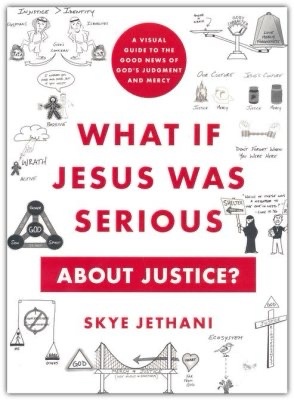
In his book, What If Jesus Was Serious About Justice? Skye Jetani has a helpful comment about how we often have too simple a view of the people around us:
“Just as we are each more than the worst thing we’ve ever done, we are also more than a single label. We tend to see those we disagree with through a simplistic, tainted lens. The philosopher Amartya Sen calls this tendency “miniaturization.” Rather than seeing our dissenters as complicated, multidimensional people, we reduce them to a one-dimensional identity that is often based on a negative or an exaggerated quality. They are merely liberal or conservative, woke or alt-right, a snowflake or a fascist.”
Gambling Culture
Arnold Kling looks at how our culture has gone wild over gambling. He doesn’t see a happy end. Here’s the last reason he gives for our compulsion. Check his post to see the rest.
A final reason that gambling has gone up is that we have become more oriented toward dopamine hits. In the era of smart phones and rapid communication, we value the excitement of rewards that come to us rapidly. We need the stimulation that comes from gambling.
Walking in the Woods
Two trees with odd bends.


The trail:

Redbud, closeup


