
We continued working through Stanley Hauerwas’s essay, “Discipleship as a Craft, Church as a Disciplined Community.” You can listen to the audio HERE.
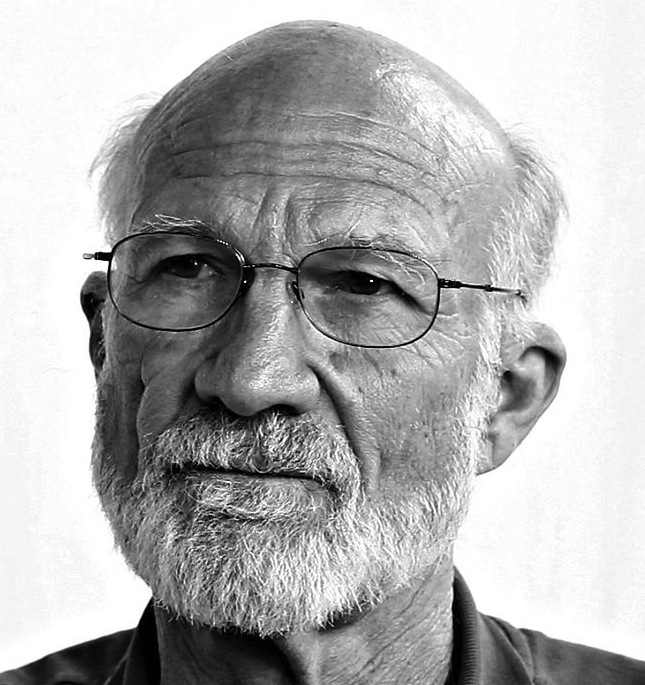
Hauerwas is talking about the church of our age (he’s writing in 1991, but it seems still applicable 34 years later) focusing first on being a “community of care.” Because our initial (and primary) focus is on being “caring” we lack the ability to “build the church as a community capable of standing against the powers we confront.”
We spent most of our time today looking at “powers we confront.” We saw that while we can easily name the world, darkness, evil, and media as some of those “powers,” those powers are not just “out there.” There are significant ways Christians/churches have been infected by these powers. Too often we are blind to the ways we are infected. As we proceed in Hauerwas’s essay, we’ll see that becoming a “disciplined community” is a requirement for gaining the discernment we need to know what we’re confront, where it is, and how we do our confronting.
We looked at two verses in the Old Testament, Genesis 15:6 and Psalm 106:31. Both use the language of “righteousness being credited” to someone due to an act they’ve performed. In Genesis, the actor is Abram. Confronted by the reality of his childlessness, he cries out to God. God promises progeny. Abram’s action in response is “belief.” “Abram believed God and it was credited to him as righteousness.”
Psalm 106 recites stories of Israel’s rebellion in the face of God’s faithfulness during the time of the Exodus. In v. 30-31 we read, “Phinehas stood up and intervened, and the plague was checked. This was credited to him as righteousness for endless generations to come.” We have to go back to Numbers 25 to see what exactly Phinehas did that was “credited to him as righteousness.” Their we see his zeal for God and God’s honor led him to pick up a spear and skewer two blatant sinners. This story of zeal for God and the righteousness it produced was later significant in the self-understanding of the Maccabees and those who looked to them as heroes.
The person we know as Paul the Apostle was zealous for God. In his days as Saul of Tarsus he was zealous in the way of Phinehas, seeking righteousness by punishing those who were dishonoring God and leading Israel astray: Christians. After running into Jesus on the road to Damascus he shifted to a different way of righteousness, the way of Abraham, exemplified in the way of Jesus. Paul lays this out most explicitly (but not entirely explicitly) in Philippians 3. Both the ways of Abram and of Phinehas are biblical. Both are approved of in the Old Testament. It’s only in Jesus that we see the way of zeal becoming a way of taking up a cross, choosing suffering, and dying. Like Abraham, Jesus – and Paul – were in places that only the work of God could bring life out of death.

 Bandits No More